Exercises for the brain are very important for stroke patients who are trying to get back to their normal lives. There are a variety of brain exercises for stroke recovery. They improve memory and thought processes. Reading, memory games, and puzzles are easy ways to boost brain activity.
An activity like item naming or storytelling improves communication. Speech therapy and spending time with friends may also help recover.
This blog discusses brain activities to help stroke sufferers recover faster and enjoy the process.

Understanding Stroke Recovery
A stroke affects a person’s brain’s capacity for communication and operation. The level of disability depends on the type and intensity of the stroke. Cognitive, motor, and language disorders are among the common consequences. The first stage in the rehabilitation process is to recognize these changes.
Then, there are the recovery times you should know about. While some people see noticeable improvements in a few weeks, others may need months or even years.
The extent of the stroke, the patient’s general health, and the rehabilitation methods affect the time frame. Brain workouts can help speed up this process and improve cognitive performance.
The Importance of Brain Exercises
Why Brain Exercises Matter
Brain activities are necessary for a patient who suffered from a stroke. They help to reduce the recovery time after stroke by activating the brain cells.
These activities improve your cognitive ability and create neural connections. If you do regular exercises, it can lead to the development of memory and solving issues.
Types of Brain Exercises
Stroke patients can benefit from a variety of workouts. These might be anything from simple issues to more challenging tasks that require critical thinking. Among beneficial exercises are:
Memory Games
Playing memory card games helps improve focus and recall. They make it fun and interesting by testing how well you can remember where the cards are placed. Over time, regular gaming can improve memory and cognitive abilities.
Puzzles
Crosswords and jigsaws are great for improving mental skills. They keep the brain involved and promote problem-solving and reflective skills. Regularly solving these kinds of problems can help you focus and remember things better.
Mindfulness and Meditation
Meditation and mindfulness are beneficial methods for increasing mental clarity and reducing stress. They help people become more aware of the present moment, which can calm the mind and make people feel better in general.

Simple Brain Exercises for Stroke Patients
Simple brain exercises for stroke recovery can be extremely important in stroke recovery. By including these simple activities in their regular routines, patients may recover mental agility and improve their general well-being.
Word Association Games
Playing word association games is a good workout. You can do this exercise by yourself or with somebody else. Choose a word to start with, then look for terms that relate to it. If you say “apple,” for example, the next person may say “fruit.” This practice improves cognitive flexibility and the ability to speak.
Visual Memory Tasks
Exercises for visual memory can be very beneficial. Try briefly displaying a tray of items to a patient before covering it. Then, ask them to recall as many things as they can. This exercise improves visual processing and memory recall after a stroke.
If you’re stressed and wondering, “how long does stroke recovery take?”- do this exercise to make the healing journey simpler for you.
Counting and Math Games
Solving easy mathematical issues can be an enjoyable method to stimulate the brain. You can use some common scenarios, such as figuring out overall expenses or counting the items on a shopping list. People feel good about themselves after doing these tasks, and they also help their brains work better and their math skills.

Integrating Brain Exercises into Daily Life
Creating a Routine
Having a routine is important for maximizing healing. Even if you only have 15 to 20 minutes each day, schedule time for brain workouts. The secret is regularity, and this way, gradually, you can increase the workouts’ difficulty as your confidence and abilities grow.
Involving Family and Friends
When family and friends join, these activities can become more welcoming and fun. They can help with tasks, provide support, and maintain a fun environment. This social engagement also promotes emotional health and physical healing.
Other Complementary Brain Exercises for Stroke Recovery
Physical Therapy and Brain Exercises
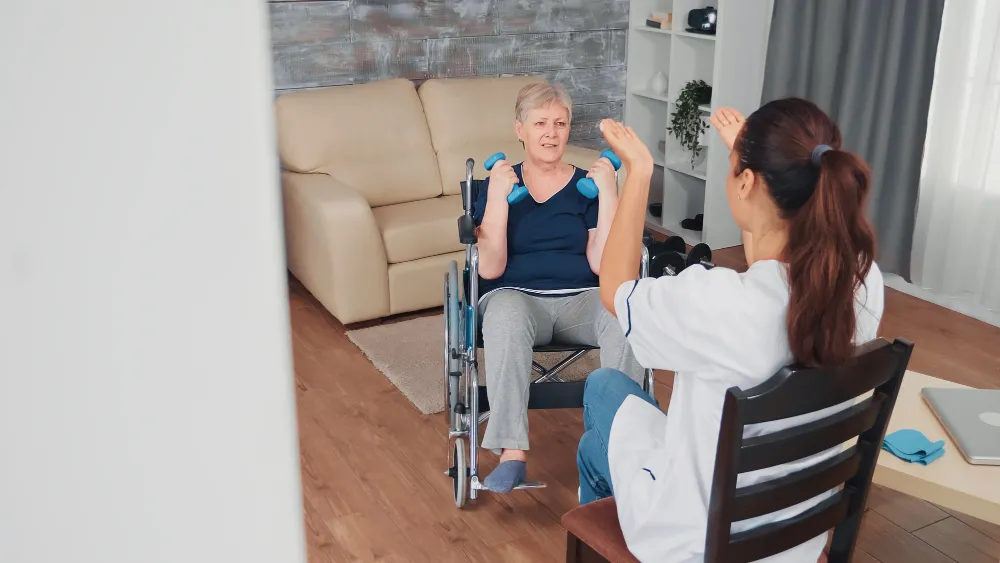
Together, physical therapy and brain training can improve overall recovery. Brain exercises can improve cognitive abilities, offering a broader strategy for rehabilitation.
Many physical therapists include cognitive exercises in their appointments for this reason. Various speech therapy sessions are also available to help you out.
Nutrition and Mental Health
A full of nutrients and balanced diet is necessary for brain function. Vitamins, antioxidants, and omega-3 fatty acid-rich foods are useful in cognitive healing.
It’s also important to treat psychological problems through support counseling. A patient’s emotional health can have a big impact on how successfully they attend recovery activities.

The Road Ahead for Your Healing Journey
Integrating brain workouts can significantly improve the difficult process of stroke recovery. For better results, you can reach out to professionals who know what they are doing.
So, if you’re wondering, how to recover from stroke quickly”, you’re not alone. It is a question that many people have. The answer lies in regularly participating in cognitive exercises and physical rehabilitation.
Stroke patients can speed up their recovery process by including basic brain workouts in daily activities. Remember that every little step matters, and there are effective brain exercises for stroke recovery. Do them with dedication and determination to get the best results.