

Children with autism spectrum disorder (ASD) have difficulties communicating and interacting with others. Many kids with autism have problems expressing themselves, speaking, and understanding language. These challenges may make relationships and day-to-day living more challenging.
Early speech treatment is essential for developing children’s independence, social skills, and communication skills. This guide will cover the importance of early speech therapy for autism and its consequences.
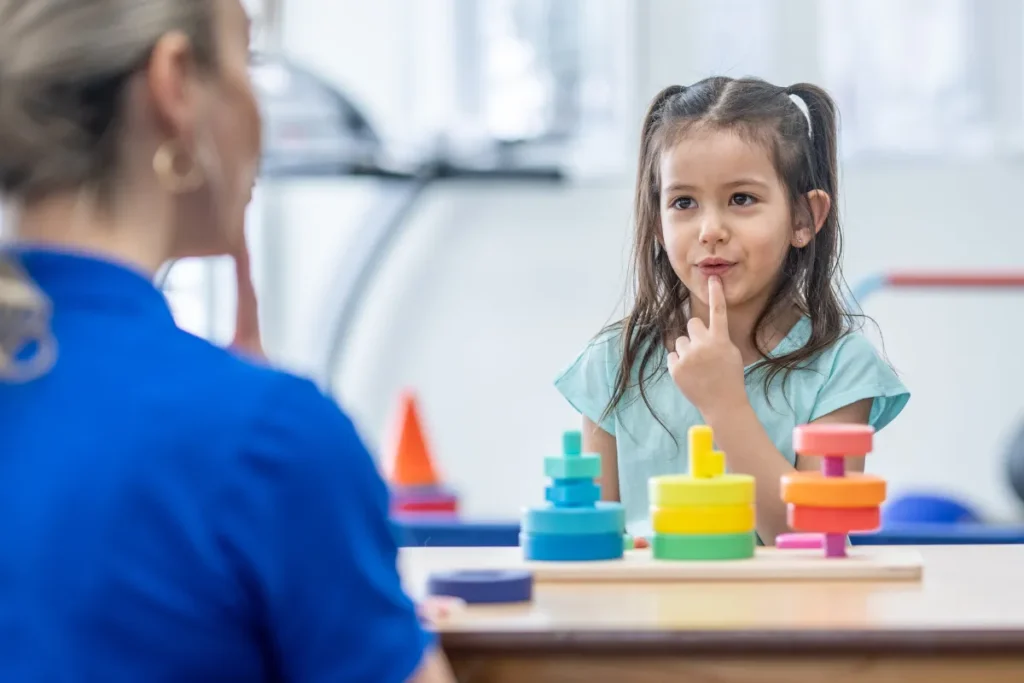
Understanding Autism and Communication Challenges
Communication issues in kids with autism can have an impact on their relationships and everyday lives. Understanding these challenges helps us to take part in their development.
What is Autism?
The developmental disorder is known as autism, or autism spectrum disorder (ASD). The term “spectrum” refers to the fact that it has different impacts on various people. While some autistic persons may have minor obstacles in their everyday lives, others may need more support.
Communication Challenges in Children with Autism
One of the most difficult things for kids with autism might be communicating with others. Some children might not talk at all, or they might say very little. Others may speak but find it difficult to use language properly.
The following are some common communication difficulties that kids with autism may experience:
- Limited Verbal Skills
- Nonverbal Communication Issues
- Social Challenges.
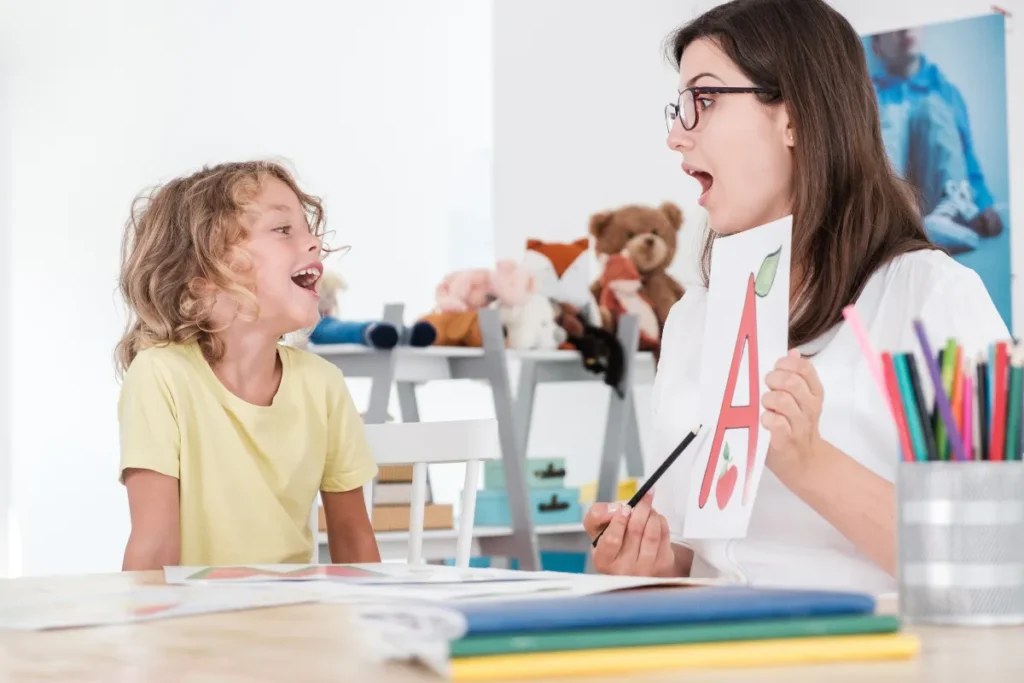
Why Early Intervention Matters
A child’s formative years are an essential time for learning and growth. The brain is developing quickly and becomes flexible throughout this time. This adaptability, referred to as “brain plasticity,” makes it easier for early children to pick up new skills than for adults or older kids.
Early speech treatment improves the possibility that autistic children will develop key communication skills. Early intervention may help in establishing a foundation for further education and development.
Impact on Long-Term Outcomes
Early therapy beginning can significantly affect a child’s future. Early speech treatment for children improves their probability of:
- Learn to express their needs and feelings.
- Build stronger social skills.
- Gain confidence in interacting with others.
- Reduce frustration caused by communication difficulties.
The Role of Speech Therapy in Autism
Children with autism benefit immensely from speech therapy because it helps them connect with others and speak more effectively. It focuses on skills including speaking, language comprehension, and expressing desires and feelings.
Core Objectives of Speech Therapy for Autism
The goal of speech therapy is to help children become more proficient communicators. Speech therapy’s main goals for kids with autism include:
Building Verbal and Nonverbal Communication: Helping children learn to use words, gestures, or pictures to express themselves.
Improving Social Skills: Teaching children how to have conversations, take turns, and interact with others.
Understanding Language: Helping children learn what words mean and how to use them correctly.

Techniques and Tools Used in Speech Therapy
Speech therapists use a variety of techniques to help children with autism. Some of the most common methods include:
Augmentative and Alternative Communication (AAC): This includes resources that help kids with trouble speaking, such as image boards or communication applications.
Play-Based Therapy: To make learning enjoyable and interesting, therapists use games and exercises.
Visual Supports: Children can learn and communicate more effectively with the use of resources like timetables, flashcards, and drawings.
Social Stories: These short stories educate children on how to behave in situations with others, such as saying hello or sharing.
Modeling and Repetition: Therapists imitate specific words or behaviors and encourage children to repeat them.
Benefits of Early Speech Therapy for Children with Autism
Early speech therapy can have a significant impact on children with autism. It helps in the development of their social networks, communication abilities, and self-expression confidence.
Improved Communication Skills
Speech therapy helps children with autism learn to express themselves more effectively. For example:
- Some children may begin speaking their first words.
- Others may learn to combine words into sentences.
- Nonverbal children may use gestures, pictures, or devices to communicate.
Better Social Interactions
Social skills can often be a challenge for kids with autism. Through speech therapy, they learn how to:
- Start and maintain conversations.
- Take turns during play or discussions.
- Understand the emotions and perspectives of others.
Increased Independence and Confidence
Children grow more independent when they are able to express what they want. For example, they may learn skills:
- Ask for their favorite toy or snack.
- Tell a teacher when they need help.
- Participate in classroom activities.

Tips for Parents and Caregivers
When it comes to helping children with autism, parents and other caregivers are important. Early identification of communication problems and strong collaboration with therapists can help kids develop essential skills and create a healthy environment for development.
- Delays in speaking first words.
- Limited use of gestures, like pointing or waving.
- Difficulty understanding simple instructions.
- Contact with the therapist to set goals.
- Practice communication techniques at home, like encouraging your child to use words or gestures during daily activities.
- Use visual aids, like picture charts or schedules, to help your child understand routines.
- Encourage communication during everyday activities, like meals or playtime.
- Be patient and give your child time to respond.
Laying the Foundation for Growth
The importance of early speech therapy for autism is many. One of the most important things that parents can do to support a kid with autism is to start speech therapy early. Children are more likely to develop the social and communication skills needed for success if they start early. Kids with autism can develop their independence, and social skills, and express themselves with the proper help of therapists and parents.